
Social Media Fraud in the UAE: How to Spot Fake Accounts and Online Scams
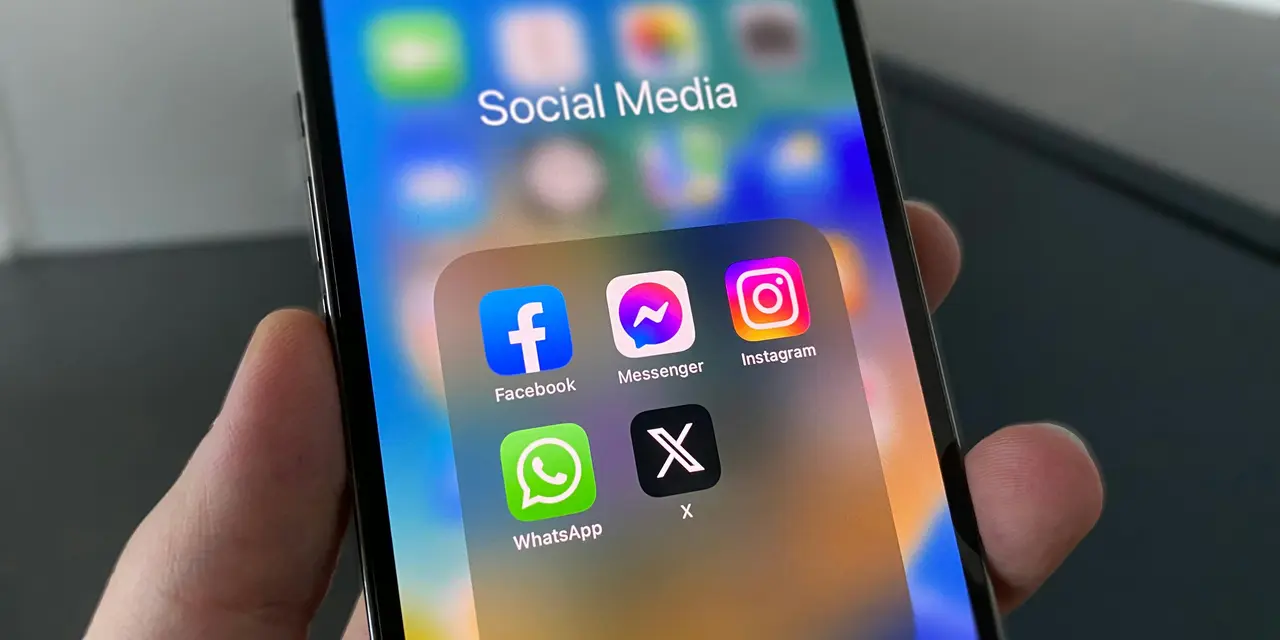
Dubai Police closed 103 fraudulent social media accounts during the second quarter of 2026 as part of continued efforts to combat online scams.
The action came amid warnings that cybercriminals are adopting increasingly sophisticated methods to impersonate businesses, promote false opportunities and persuade victims to disclose personal information or transfer money. Dubai Police also urged residents not to share banking or personal details with untrusted parties and to report suspicious activity promptly.
The closure of the accounts highlights an important risk for individuals and businesses across the UAE: a professional-looking social media profile does not necessarily represent a genuine person, company or opportunity.
What Is Social Media Fraud?
Social media fraud involves the use of platforms such as Instagram, Facebook, LinkedIn, TikTok, WhatsApp and Telegram to deceive users for financial or personal gain.
Fraudulent accounts may impersonate legitimate companies, government organisations, banks, recruiters or well-known individuals. Others may be created specifically to promote false investments, employment opportunities, products or professional services.
Common examples include:
- Fake investment and trading opportunities
- Fraudulent job or visa advertisements
- Impersonation of established companies
- Cloned executive or employee profiles
- Fake online shops and product offers
- Requests for advance payments or deposits
- Romance and relationship scams
- Phishing links designed to obtain banking details
- Requests to open bank accounts or digital wallets
- False competitions, prizes or promotional offers
The account may look convincing because it uses copied logos, photographs, company descriptions, testimonials or content taken from a genuine business.
Why Fake Accounts Can Be Difficult to Identify
Creating a credible online presence has become easier.
Fraudsters can copy branding from legitimate websites, purchase followers, create professional graphics and use artificial intelligence to generate photographs, videos and written content.
An account may appear to have existed for some time, contain numerous posts and communicate in a professional manner. It may also direct victims to a convincing website or provide documents that appear official.
Social proof can also be manipulated. Followers, likes, comments and reviews may be purchased or generated through networks of connected accounts.
For this reason, the appearance of legitimacy should not be treated as proof that the person or company behind an account is genuine.
Common Warning Signs of Social Media Fraud
No single indicator proves that an account is fraudulent. However, several warning signs appearing together should prompt further verification.
Pressure to act quickly
Scammers frequently create urgency by claiming that an offer is available for a limited period or that immediate payment is required.
Pressure can prevent a person from taking the time to check the information independently.
Requests to move communication elsewhere
A fraudulent account may attempt to move the conversation from a public platform to WhatsApp, Telegram or another private messaging service.
This can make the interaction harder for the platform to monitor and may reduce the evidence available if the account is later removed.
Payment to a different person or company
The account may promote one organisation but request that payment is sent to an unrelated individual, overseas company, digital wallet or cryptocurrency address.
A mismatch between the identity making the offer and the proposed recipient should always be investigated.
Offers that appear unusually attractive
Promises of guaranteed investment returns, highly paid employment, discounted insurance or fast visa processing may be used to encourage rushed decisions.
Dubai Police has recently warned residents about fake job and visa offers circulated through social media and messaging applications, as well as fraudulent investment and insurance promotions.
Recently created or inconsistent profiles
The account may have been created recently, contain few genuine interactions or have changed its username several times.
Contact details, company names, locations and website information may also differ between posts.
Reluctance to provide verifiable information
A legitimate business should normally be able to provide clear company details, licensing information and appropriate contact information.
Repeated excuses, vague answers or resistance to verification may indicate that the account is not genuine.
How to Verify an Online Account or Opportunity
Before transferring money, sharing documents or entering into a commercial relationship, information should be checked independently.
Confirm the legal company name
The name used on social media may be a trading name rather than the registered legal entity.
Ask for the full company name, licence number, registered address and jurisdiction of incorporation.
Check official records
Company and licence details should be verified using the appropriate UAE authority or free-zone register rather than through links supplied by the social media account.
Businesses may also consider proportionate Due Diligence where an opportunity, supplier or proposed partner presents a higher financial or reputational risk.
Contact the organisation directly
Where an account claims to represent an established company, use the telephone number or email address published on the organisation’s official website.
Do not rely solely on contact details provided through the potentially fraudulent account.
Review the website carefully
Check whether the domain matches the company name and whether the website contains consistent legal and contact information.
Minor spelling variations, recently registered domains and copied content may indicate impersonation.
Verify the payment recipient
The account receiving funds should be consistent with the company or individual involved in the transaction.
Any unexplained change to payment instructions should be confirmed through a separate and trusted communication channel.
What Should Victims Do?
Where fraud is suspected, victims should stop further communication and avoid sending additional money.
They should preserve:
- Screenshots of the account and posts
- Usernames and profile links
- Messages and emails
- Telephone numbers
- Payment instructions
- Bank or cryptocurrency transaction details
- Invoices, agreements and identification documents
- Website addresses and domain information
- Dates and times of relevant communications
Suspected cyber fraud should be reported promptly through the appropriate police and banking channels. Dubai Police has advised residents to use its app, the eCrime platform or the 901 contact number to report suspicious activity.
Banks, payment providers and cryptocurrency platforms should also be notified as soon as possible, as delays can reduce the prospect of interrupting or identifying the movement of funds.
When Asset Tracing May Help
Reporting fraud is an essential step, but victims may also need to understand where money was sent and whether recovery action is commercially realistic.
Where funds have moved through companies, intermediaries or overseas jurisdictions, lawful Asset Tracing may help identify connected entities, business interests, property or other potential recovery targets.
Asset tracing does not itself freeze or recover money. Those measures generally require action through lawyers, courts, banks or the relevant authorities.
Its purpose is to provide intelligence that can help victims and their legal advisers assess possible next steps.
Reducing the Risk of Social Media Fraud
Social media fraud is likely to remain attractive to criminals because platforms offer direct access to large numbers of potential victims.
Businesses should monitor the use of their name and branding online, warn customers about known impersonation accounts and provide clear information about official payment and communication channels.
Individuals should pause before acting on unsolicited opportunities, verify information through independent sources and remain cautious when asked to share personal or banking details.
The closure of 103 fraudulent accounts demonstrates the scale and persistence of the threat. It also reinforces a straightforward principle: online credibility should be verified before trust, information or money is provided.
Conflict Advisory Group supports businesses, individuals and legal advisers with due diligence, corporate intelligence and lawful asset-tracing enquiries in the UAE and internationally.
To discuss concerns about a suspicious online entity, potential commercial fraud or the location of assets connected to a loss, contact Conflict Advisory Group.