
Strait of Hormuz Disruption Highlights Supply-Chain and Business Continuity Risk for UAE Companies
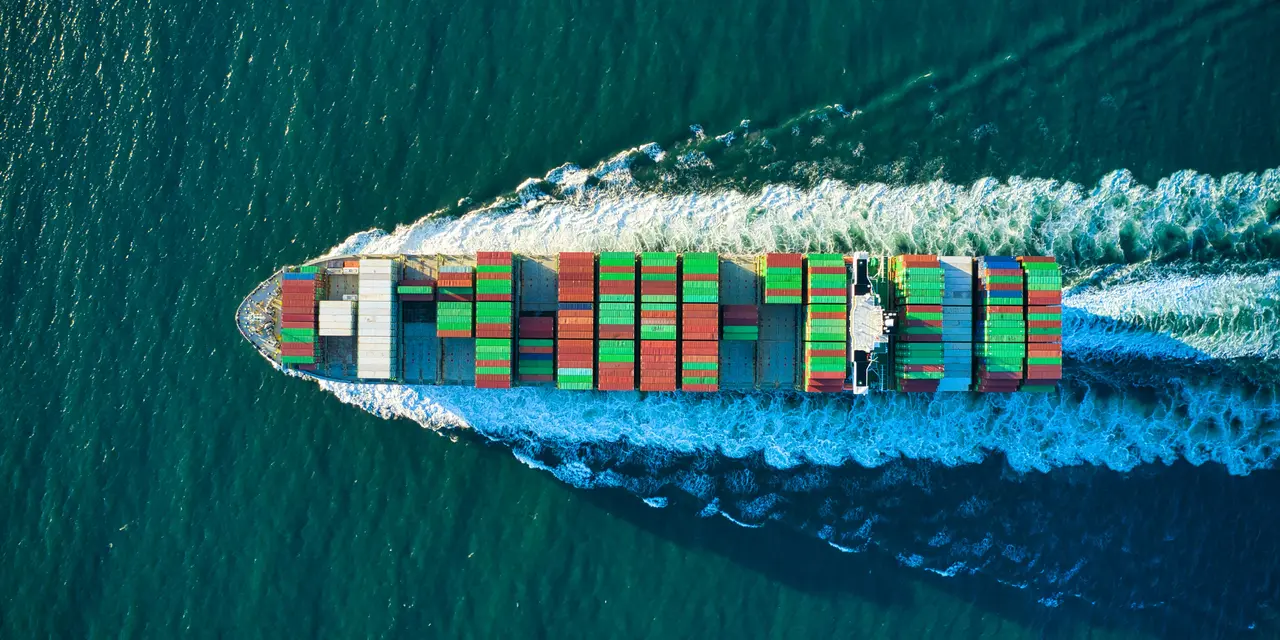
The latest disruption in the Strait of Hormuz is highlighting the extent to which geopolitical instability can create immediate operational and supply-chain risks for businesses in the UAE.
On 2 September 2026, the UAE Ministry of Foreign Affairs strongly condemned an attack on the Saudi carrier Sidr while it was transiting the Strait of Hormuz. The UAE described the incident as a serious threat to international navigation, regional stability and global trade flows.
The commercial impact is also becoming increasingly visible.
Financial Times reporting on 3 September states that container volumes at Jebel Ali have fallen by more than 90% amid disruption to shipping through the Strait, underlining how quickly geopolitical events can affect one of the UAE’s most important trade and logistics hubs.
For businesses operating in the UAE, the wider lesson is clear: supply-chain resilience cannot be considered separately from geopolitical and operational risk.
Why the Strait of Hormuz Matters to UAE Businesses
The Strait of Hormuz is one of the world’s most strategically important maritime routes.
It connects the Arabian Gulf with the Gulf of Oman and the wider Indian Ocean, making it central to the movement of energy, raw materials, manufactured goods and commercial shipping.
For the UAE, disruption in the Strait does not only affect the energy sector.
It can also affect:
- Import and export schedules.
- Shipping availability.
- Freight costs.
- Insurance premiums.
- Access to raw materials.
- Inventory levels.
- Port operations.
- Customer delivery times.
- Supplier reliability.
- Contractual obligations.
The latest attack on Sidr is therefore significant not simply as a maritime-security incident, but because it reinforces the vulnerability of commercial activity that depends on uninterrupted access to key transport routes.
Jebel Ali Demonstrates the Scale of the Exposure
Jebel Ali has long been one of the central pillars of Dubai’s trade and logistics economy.
Its integration with industrial, free-zone, shipping and transport infrastructure has helped make Dubai a major international commercial hub.
That scale also creates concentration risk.
According to the Financial Times, container volumes at Jebel Ali have fallen by more than 90% during the current disruption to Strait of Hormuz shipping.
A shock of that magnitude demonstrates why organisations should consider whether too much of their operational resilience depends on a single port, supplier, route or logistics model.
For some organisations, alternative routes may exist.
For others, disruption can quickly become a business-continuity issue.
Conflict Advisory Group’s Risk Management Services UAE support organisations assessing commercial, operational and geopolitical risks affecting their activities in the UAE and internationally.
Supply-Chain Risk Is Often More Concentrated Than Businesses Realise
Many organisations believe they have diversified supply chains because they work with multiple suppliers.
However, those suppliers may themselves rely on:
- The same shipping route.
- The same port.
- The same freight provider.
- The same manufacturing location.
- The same subcontractor.
- The same source of raw materials.
That means apparent supplier diversity may not represent genuine resilience.
A disruption affecting one strategic chokepoint can therefore create problems across several suppliers at the same time.
Businesses should understand not only who their direct suppliers are, but also where critical dependencies sit deeper within the supply chain.
What Are the Main Business Risks?
The current Strait of Hormuz disruption illustrates several forms of risk that UAE businesses may need to consider.
Delays and inventory shortages
Reduced shipping activity can lead to slower movement of goods and shortages of critical stock.
Businesses operating with limited inventory or just-in-time supply models may be particularly exposed.
Increased transport costs
Where normal routes become unavailable or higher risk, freight companies may increase prices or use longer alternatives.
Insurance costs can also rise when vessels operate in higher-risk areas.
Supplier failure
Suppliers already operating on tight margins may struggle to absorb prolonged shipping delays or higher transportation costs.
A company may therefore face disruption even if its own operations remain unaffected.
Contractual risk
Delays can create difficulties meeting contractual delivery schedules.
Organisations should understand their obligations and whether contracts adequately address major disruption, force majeure and alternative delivery arrangements.
Customer and reputational risk
Customers may tolerate short-term delays when the cause is widely understood.
Repeated failures or unclear communication can nevertheless damage confidence in an organisation’s reliability.
Business Continuity Planning Should Consider Geopolitical Events
Business continuity planning is sometimes focused primarily on internal risks such as IT outages, building access or workforce disruption.
Geopolitical events can create equally significant consequences.
A useful continuity plan should consider scenarios such as:
- Closure or disruption of major shipping routes.
- Loss of a key supplier.
- Restrictions affecting a particular jurisdiction.
- Sudden increases in transport costs.
- Changes in sanctions or trade controls.
- Disruption at ports or airports.
- Regional security incidents.
The purpose is not to predict exactly which event will happen.
It is to understand which dependencies would create the greatest operational impact if they suddenly became unavailable.
Alternative Supply Routes Need to Be Tested in Advance
Identifying an alternative route on paper does not necessarily mean it will work during a crisis.
Businesses may need to determine:
- Whether alternative ports have sufficient capacity.
- Whether transport providers can switch routes quickly.
- Whether new customs procedures would apply.
- Whether additional licences or documentation would be required.
- Whether freight costs remain commercially viable.
- Whether suppliers can redirect goods.
- How long alternative arrangements would take to implement.
These questions are easier to address before disruption occurs.
Once multiple businesses are competing for limited alternative capacity, options may become more expensive and more difficult to secure.
Supplier Due Diligence Has an Operational Dimension
Due diligence is often associated with ownership, financial standing, legal status and reputational risk.
Operational resilience should also form part of the assessment of critical suppliers.
Before relying heavily on a supplier, organisations may need to understand:
- Where the supplier sources its goods.
- Which ports or routes it depends on.
- Whether it has alternative logistics arrangements.
- Whether it holds sufficient inventory.
- Whether it has its own business-continuity plan.
- Whether it is financially capable of surviving prolonged disruption.
- Whether it relies heavily on subcontractors.
For higher-value or strategically important relationships, Conflict Advisory Group’s Due Diligence Services UAE can support organisations requiring deeper assessment of companies and commercial counterparties before critical dependencies are established.
Insurance and Financial Exposure Should Also Be Considered
The effects of disruption are not confined to physical logistics.
Financial Times reporting on 3 September also indicates that Lloyd’s of London expects significant Gulf-related insurance losses arising from the wider conflict.
For businesses, this reinforces the importance of understanding the financial consequences of geopolitical disruption.
Questions may include:
- What risks are actually covered?
- Are political violence or war exclusions relevant?
- Are delays covered?
- What evidence would be required to support a claim?
- Are insured limits sufficient?
- Could premiums rise materially at renewal?
Insurance can be an important component of risk management, but it should not replace operational planning.
Why Concentration Risk Matters
The latest disruption also illustrates a broader concept: concentration risk.
An organisation may become vulnerable where too much operational activity depends on a single:
- Port.
- Country.
- Supplier.
- Logistics provider.
- Banking partner.
- Technology platform.
- Customer.
- Transport route.
Concentration is not always avoidable.
In some sectors, particular locations or suppliers may offer significant commercial advantages.
The key is understanding the exposure and deciding whether contingency arrangements are proportionate to the potential impact.
What Should UAE Businesses Do Now?
The current situation remains fluid, but businesses do not need to wait for a complete shutdown before reviewing their exposure.
Useful steps may include:
- Mapping critical suppliers and logistics routes.
- Identifying single points of failure.
- Reviewing inventory levels.
- Testing alternative transport arrangements.
- Reviewing major supplier contracts.
- Assessing insurance coverage.
- Considering the financial resilience of critical suppliers.
- Reviewing business-continuity plans.
- Establishing clear escalation procedures.
- Monitoring geopolitical developments affecting major trade routes.
Businesses should also consider how quickly decisions could be made if disruption escalates.
A contingency plan that requires several weeks of approval may offer limited value during a rapidly developing crisis.
Geopolitical Risk Is Business Risk
The UAE Ministry of Foreign Affairs has described attacks on commercial shipping and disruption of the Strait of Hormuz as a direct threat to regional stability, global energy security and international trade.
For businesses, that threat translates into practical operational questions.
Can goods still reach customers?
Can critical materials still reach production sites?
Can suppliers continue operating?
Can alternative routes be activated?
How long can the organisation tolerate disruption?
The latest events demonstrate why geopolitical risk should form part of wider commercial and operational planning rather than being treated as a distant political issue.
If your organisation requires support assessing supply-chain exposure, geopolitical risk, critical dependencies or wider business-continuity challenges, Conflict Advisory Group can assist with risk assessment across the UAE and internationally.
Contact Conflict Advisory Group to discuss your requirements and determine the appropriate scope of risk assessment for your organisation.