
UAE Cyberattack Revelations Highlight Security Camera and Corporate Surveillance Risks
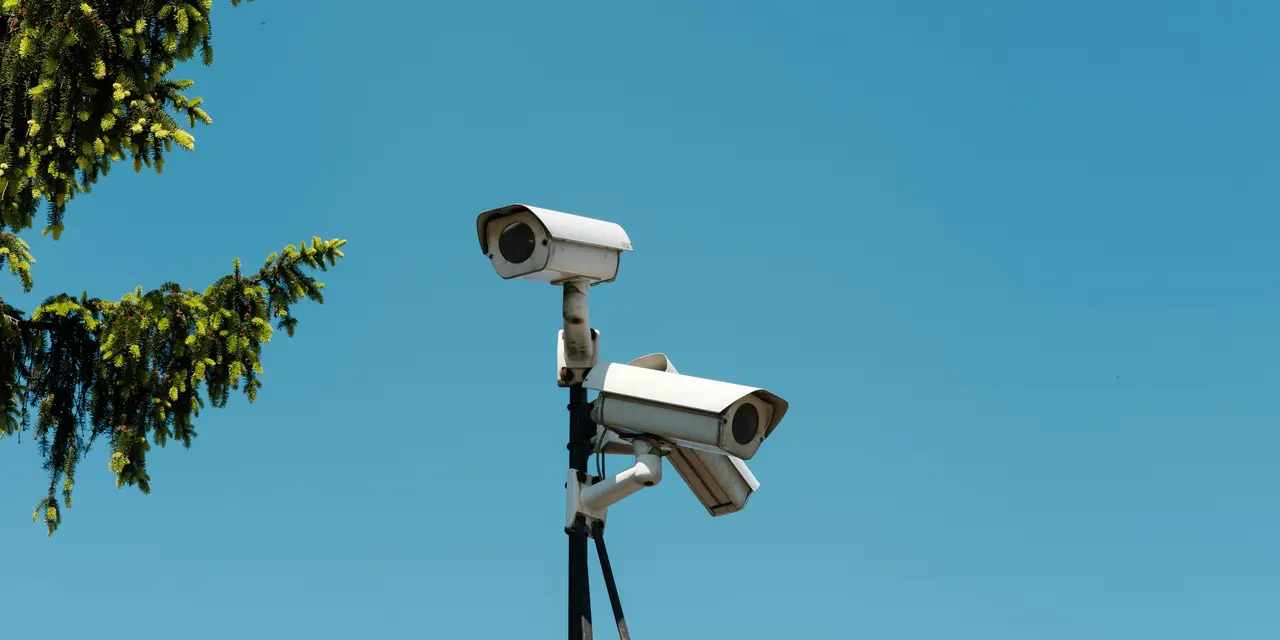
Recent disclosures from the UAE Cyber Security Council have highlighted attempts to compromise security cameras, connected devices and critical infrastructure during a period of heightened regional cyber threats.
Speaking at the World Police Summit in Dubai on 18 November 2026, Dr Mohamed Al Kuwaiti, Head of the UAE Cyber Security Council, described how attackers had targeted CCTV systems, vehicle cameras and essential services as part of wider cyber operations.
The revelations demonstrate how security equipment intended to protect people and property can itself become a potential vulnerability.
For businesses across the UAE, the developments reinforce the importance of examining network-connected surveillance equipment alongside traditional Cyber Security and physical-security arrangements.
UAE Cyber Security Chief Reveals Camera Hacking Attempts
According to The National and Gulf News, UAE authorities identified attempts to compromise security cameras in homes, farms and vehicles.
Officials reported that attackers sought to access CCTV recordings and other connected-camera systems, with some footage subsequently circulated online to generate concern and spread misleading information.
The reported activity formed part of broader cyber operations involving attempts to disrupt essential services and influence public perceptions.
Dr Al Kuwaiti also described attempts to use destructive malware against electricity, water, desalination, education and healthcare systems.
Unlike ransomware, which commonly encrypts information and demands payment, destructive malware known as a wiper is designed to erase data or make systems unusable.
Officials indicated that national cyber defences had prevented attempts to disrupt critical systems.
The reporting illustrates how cyber threats can involve both digital infrastructure and physical security equipment, creating risks that extend beyond conventional data theft.
Why CCTV Systems Can Become Cyber Security Vulnerabilities
Modern CCTV systems increasingly rely on network connectivity, remote management platforms and internet-accessible applications.
These technologies allow organisations to monitor multiple premises, review recordings remotely and integrate surveillance equipment with other security arrangements.
However, connected systems can introduce vulnerabilities if they are poorly configured, inadequately maintained or accessed using compromised credentials.
Potential weaknesses include outdated software, exposed remote-access services, insecure network configurations and insufficient authentication controls.
If successfully compromised, a connected camera may allow unauthorised individuals to view live footage, access stored recordings or interfere with monitoring functions.
The consequences depend on the equipment, its configuration and the access obtained.
Not every vulnerability provides attackers with complete control of a security system, and the existence of internet-connected cameras does not itself indicate that an organisation has been compromised.
Nevertheless, businesses should understand how their surveillance equipment is connected and who can access it.
The Risks for Corporate Premises and Sensitive Locations
The implications of compromised security cameras extend beyond private homes.
Businesses throughout the UAE use connected surveillance equipment to protect offices, warehouses, retail premises, hospitality facilities and other commercial environments.
These systems may capture information about employees, visitors, deliveries, working patterns and physical access arrangements.
For organisations handling confidential information or valuable assets, unauthorised access to surveillance footage could provide insight into activities that would not otherwise be publicly visible.
Potential concerns include:
- Exposure of employee and visitor movements.
- Unauthorised viewing of sensitive business premises.
- Access to recordings showing security procedures.
- Interference with monitoring or recording functions.
- Disclosure of footage containing confidential information.
- Reputational damage from the unauthorised distribution of recordings.
The commercial implications may be particularly significant for businesses operating sensitive facilities or providing services to high-net-worth individuals.
Security arrangements should therefore consider not only camera placement and recording quality but also the systems responsible for storing, transmitting and protecting footage.
Connecting Physical Security and Cyber Security
Traditionally, physical security and Cyber Security have often been managed as separate responsibilities.
Physical-security teams may oversee CCTV installations, access-control systems and premises protection, while IT teams manage networks, authentication and digital infrastructure.
However, network-connected surveillance equipment increasingly operates across both environments.
A camera installed for physical protection may depend on corporate networking equipment, cloud services or third-party maintenance arrangements.
This creates a need for coordinated oversight.
An effective assessment should establish who is responsible for the equipment, how access is controlled, whether software is maintained and whether the surveillance system is appropriately separated from other business networks.
Conflict Advisory Group's Cyber Security services can assist organisations in identifying technical vulnerabilities, assessing security configurations and determining appropriate remedial measures.
Where concerns involve CCTV infrastructure, access controls or physical premises, technical findings should be considered alongside wider security arrangements.
Why Security Camera Access Requires Regular Review
One important consideration is the management of access to surveillance systems.
Businesses may allow security personnel, facilities managers, contractors and external maintenance providers to access CCTV equipment.
Over time, changes in staffing, suppliers or operational requirements can result in permissions remaining active longer than necessary.
Without adequate controls, organisations may have limited visibility over who can access recordings or modify system settings.
A proportionate review should consider:
- Whether default or shared administrator passwords remain in use.
- Whether multifactor authentication is available and enabled.
- Whether software and firmware updates are applied.
- Which personnel and contractors have remote access.
- Whether unused accounts and permissions have been removed.
- How recordings are stored and protected.
- Whether unusual access activity can be identified.
- Whether backup and recovery arrangements are appropriate.
These measures should reflect the organisation's systems, operating environment and risk exposure.
Businesses should also consider applicable UAE privacy, data-protection and sector-specific requirements when handling surveillance recordings.
Disinformation Creates an Additional Security Concern
The Cyber Security Council's disclosures also highlighted the use of compromised or misleading digital material to influence public perceptions.
According to Gulf News, footage obtained through attempted camera compromises was used in efforts to create alarm and suggest wider security failures.
For businesses, unauthorised disclosure of recordings can create reputational challenges even where the footage does not demonstrate wrongdoing.
Images or videos may be circulated without context, presented misleadingly or accompanied by inaccurate claims.
Organisations should therefore consider how they would respond if surveillance footage became publicly accessible.
This may involve preserving relevant evidence, assessing the extent of unauthorised access and coordinating technical, legal and communications responses.
Not every online video or allegation indicates a genuine system compromise. Establishing the authenticity and provenance of material is essential before drawing conclusions.
What the Developments Mean for UAE Businesses
The latest disclosures demonstrate that cyber threats may target equipment traditionally viewed as part of physical security.
The use of connected cameras, access-control systems and remote monitoring technologies offers operational benefits, but also creates responsibilities concerning their configuration and ongoing protection.
Businesses should understand how these systems interact with their wider infrastructure and whether existing security assessments adequately account for them.
The development is distinct from the UAE Cyber Security Council's earlier general warnings about smart-device vulnerabilities.
The November disclosures provide examples of attempted camera compromise within a wider campaign involving critical infrastructure, destructive malware and information manipulation.
They reinforce the importance of treating connected security equipment as an integral part of an organisation's overall risk profile.
How Conflict Advisory Group Can Assist
Conflict Advisory Group provides Cyber Security, Security Consultancy and Risk Management services to businesses, investors, family offices and professional advisers operating in the UAE and internationally.
Our Cyber Security capabilities can assist with vulnerability assessments, security testing, technical risk reviews and incident-response coordination.
Where surveillance systems or physical premises are involved, our Security Consultancy services can help assess relevant security arrangements and identify areas requiring further attention.
By considering digital vulnerabilities alongside operational and physical-security risks, organisations can develop a more coordinated approach to protecting sensitive environments.
Contact Conflict Advisory Group to discuss your Cyber Security or Security Consultancy requirements in confidence.